

The Art of Facilitation
Online (Australasian, Pacific and European time zones)
You can run an agenda. But what happens when the group gets stuck?
The Art of Facilitation is a transformational learning experience for anyone who leads groups — whether you're facilitating your very first workshop or your fiftieth.
Why This Program Matters to Resource Leaders
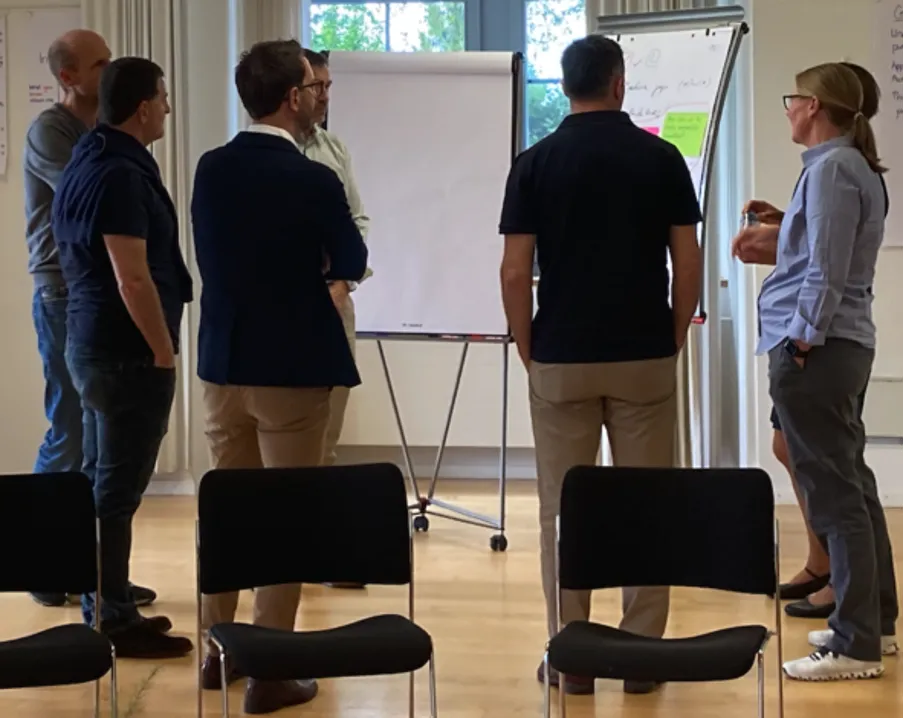
You can run an agenda. But what happens when the group gets stuck?
At its core, this course addresses a very real and widely felt gap: many people are asked to run meetings, workshops and group sessions — but very few are ever taught what to do with what's actually happening in the room while it's happening. Most of us rely on the agenda, the tools, or our own personality — and when things go off track, as they inevitably do, we don't know what to do in the moment.
People who come to this course recognise a combination of the following:
They can build a solid agenda, but the moment energy drops, someone dominates, or the group goes quiet, they sense something is wrong and don't know what it is, let alone what to do about it.
They feel personally exposed when a group doesn't respond the way they'd hoped — without a framework for understanding why, or what's really going on beneath the surface.
They default to safe habits under pressure: pushing through the agenda, over-talking, or ending the session early, rather than working with what the group actually needs.
They want to create sessions that are engaging, meaningful and real — but end up managing logistics instead of shaping what happens between people.
In short, the gap isn't a lack of tools. It's a lack of presence, awareness and in-the-moment capability — the difference between running a workshop and facilitating one.
From workshop chair to whole-person facilitator
This course builds the foundation for those changes. You'll move from being the "workshop chair" — the person managing the clock, the slides and the plan — to becoming an integrated, whole-person facilitator: someone who is present to themselves, to others, and to the group as a whole, and who can work with whatever a group brings, not just what the agenda predicted.
Who This Program Is For?
The Art of Facilitation has been developed for people with varying levels of facilitation experience, working across government, community and business, including:
Facilitators - new, emerging or experienced — who want a stronger foundation
Senior Leaders and Project Managers - who run meetings and need real engagement, not just attendance
Coaches, Trainers and Consultants - who want more presence and skill in every group they work with
Team Leaders and Community Facilitators - navigating groups with competing needs
The course is adapted to meet the group where it is. Class size is limited to twelve participants, so everyone gets room to practise and be seen.
What you'll learn to do

Understand the true role of a facilitator, and the natural cycles every group moves through
Clarify and hold an empowering group purpose, and create a safe, trust-based culture
Be present to self, others and the group — the whole-person foundation of good facilitation

Recognise and work with different energy levels, so sessions never run flat or run away from you
Practise a range of facilitation processes, techniques and interventions with real groups

Become comfortable with a wide range of behaviours, and manage conflict effectively
Understand Co-operacy and a new way of Being in Groups

Facilitate confidently online, using collaboration tools like Miro and Google Drive alongside Zoom

Learn alongside other facilitation professionals, and build genuine connections, even online
Our Unique Approach
Whole-Person Facilitation
Learn to facilitate yourself, others, and the group as an integrated system
Real-time Coaching
Practice with expert coaching in the moment when it matters most
Peer Feedback
Gain insights from others on the same journey in a supportive environment
Holistic Leadership
Develop facilitation as part of your broader leadership capacity
How this course works:
Our training is transformational, learn-by-doing training: participants practise leading real sessions with coach support throughout, not just theory.
Across eight weekly sessions, you will:
Practise facilitating real group processes, not just discuss them
Receive coaching and feedback from your trainer and peers as you go
Explore the whole-person approach — presence to self, others and the group
Build confidence in the safety of a supportive group
The result is a capability and new habits you've practised and developed, not just concepts you've read about.
Programme Outline
Delivered virtually via live zoom meetings once a week
Investment
Program Fees
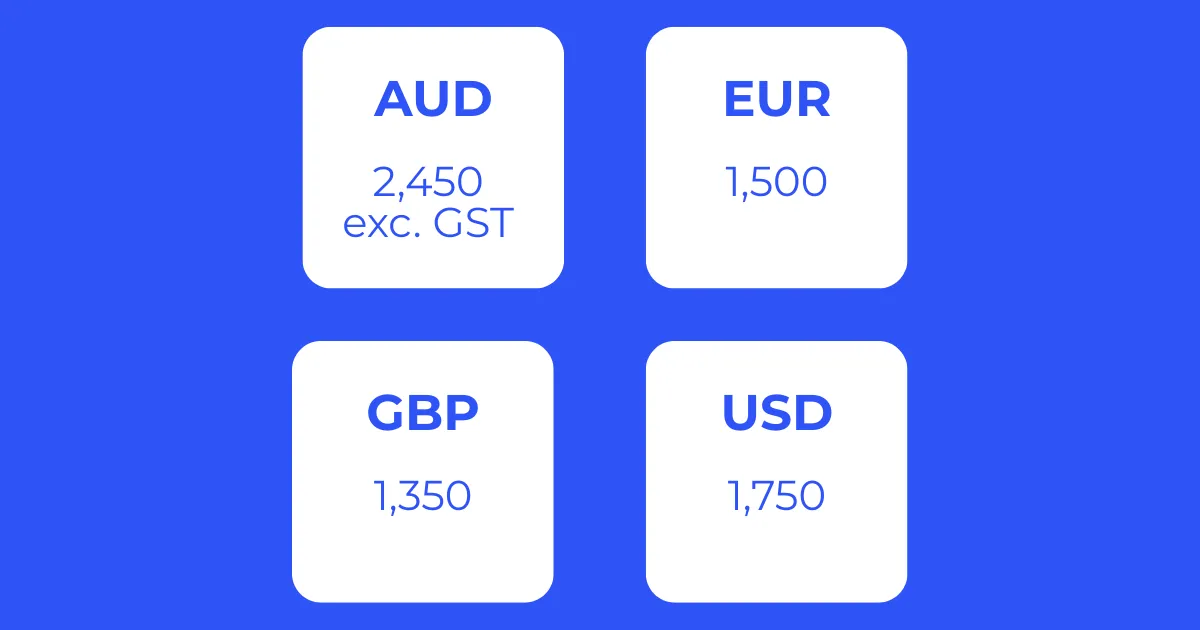
Payment Plans are available, email us at: [email protected]
Ready to move from workshop chair to whole-person facilitator?
Cost includes:
Soft Copy of Participant Course Manual
40 hours of experiential training with weekly coaching
Certificate of Attendance
Preparation for the International Association of Facilitators (IAF) Certified Facilitators Accreditation
Limited Spaces Available
Our cohort is intentionally small to ensure personalized attention and meaningful practice opportunities.
Testimonials
I came to this course with no experience in facilitation other than having observed a few council processes and little confidence in my ability to facilitate. Now, only eight weeks later, I volunteered to design and run a 2-hour discussion for parents of my school community and am actively looking for further opportunities to practice these skills. I was able to incorporate many of the techniques we were taught on the Art of Facilitation, including establishing a clear purpose and culture, rituals, unstructured rounds, energisers, thoughtful and curious questions, large and small group discussions, timekeeping, physical surveying, shifting levels and completion. One of the most useful skills I have developed is the ability to self-assess and identify areas where I can improve the process or my facilitation for next time. My intention is to use these skills to design and deliver deliberative democracy processes that provide deeply meaningful experiences to citizens and valuable insights to decision-makers. With this as my purpose, I was offered the opportunity to run a shortened version of a deliberative democracy process for my fellow students during the course, giving me a valuable chance to apply these learnings to my chosen specialty. In addition to the skills I have developed and the network of course-mates that built strong connections through our weekly sessions, this course has given me a much deeper understanding of what a skillful facilitator can bring to deliberation and the wide variety of opportunities that exist to make use of these skills.
